My Vinyl Siding Is Melting, With No Exposure To Any Fires; Why Is That?
Vinyl siding can melt, warp, or bubble if exposed to temperatures around 160 degrees. One of the more common reasons we see damaged vinyl siding without any apparent signs of heat or fire damage is the reflection of high-efficiency windows. At times, this light reflection can be over 200 degrees during peak summer months.
The Seams In My Vinyl Siding Aren’t Sealed. Is This Normal?
Yes, vinyl siding is not a waterproof siding. The seams and terminations should be fitted tight and cut precisely, but not caulked or sealed.
I Have Louisiana Pacific (LP) Siding, And It Looks Ok; Do I Need To Replace It?
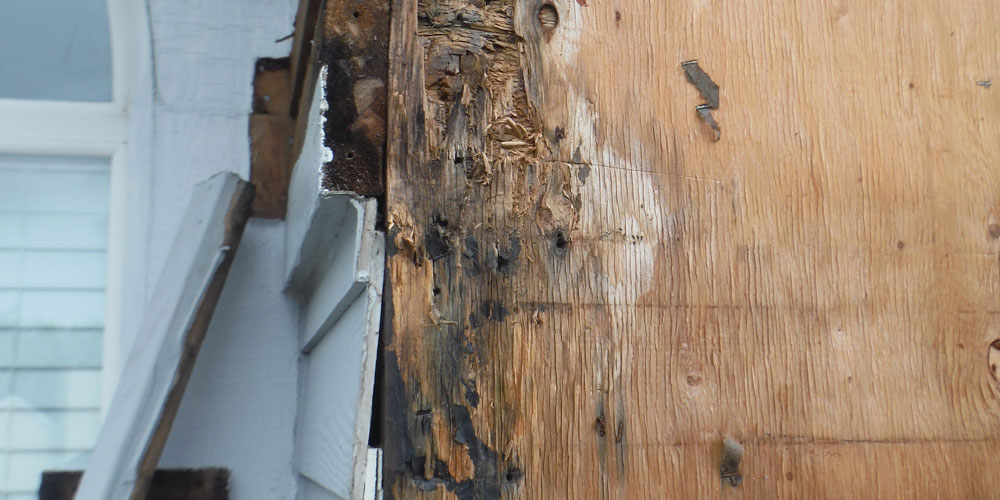
Louisiana-Pacific (LP) siding manufactured between 1985 and 1995 was the subject of a class-action lawsuit due to premature deterioration and water absorption. While full replacement is ideal if budget permits, it is not always necessary immediately. If your siding is mostly in decent shape with only localized damage, SFW Construction can perform targeted repairs to remove the affected areas. This approach allows you to extend the lifespan of your current siding and buy time to save up for a full replacement.
Is It Essential To Hire A James Hardie Factory-Trained Contractor?
Yes, it is vital to use a James Hardie factory-trained contractor who has experience installing siding. These carpenters know the right way to install the product so that the homeowner can get the most out of their investment.
What Is A Targeted Siding Repair?
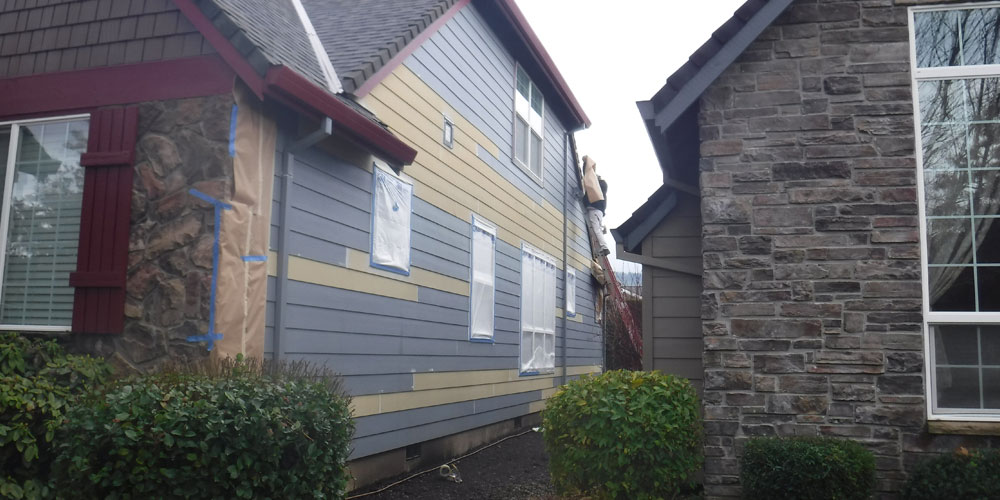
https://www.youtube.com/watch?v=pghrnT_3MQY A targeted siding repair involves removing the damaged areas, completing a localized repair, and tying the repaired area back into the existing material. This method saves homeowners time and money when the damage is limited to a specific area. In some cases, a full siding replacement is not necessary if the problem can be corrected with a properly executed targeted repair.