Dry Rot Repair In Seaside, OR
Stopping Dry Rot And Structural Damage From Coastal Moisture
Soft wood, musty odors, or rotting trim are common signs of dry rot. Addressing these issues early helps prevent widespread structural damage and expensive repairs.
SFW recently came in to our 114 yr old home to evaluate and repair a dryrot condition to an exterior shingles wall brought on by years of flashing failure and water intrusion behind the shingles. In five steady days they removed and replaced a 14 ft beam in my kitchen that supported the second floor as well as the supporting studs. Kept the work area super clean the whole time and coached me with valuable tips. I will have them back for more work- great experience!
Audrey, Gearhart, OR

Licensed • Bonded • Insured • Serving Oregon & Washington since 2005

500+ Reviews

70+ Reviews
55+ Reviews

175+ Reviews
130+ Reviews

A+ Accredited
Join hundreds of happy homeowners. 4.9/5 stars based on 500+ Google reviews.
Dry Rot Repair In Seaside For Wood Decay And Water Intrusion
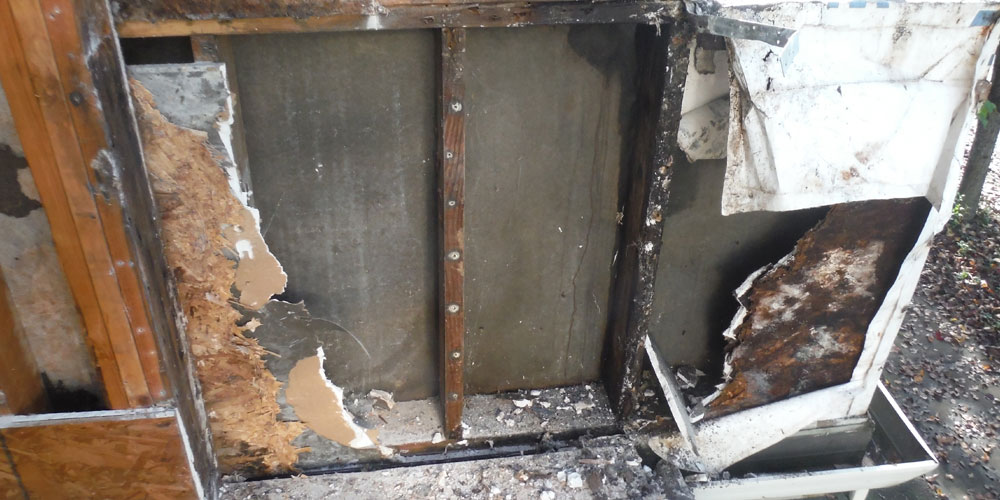
Homes in Seaside experience constant exposure to rain, humidity, and coastal moisture, creating ideal conditions for dry rot to develop. Common issues include wood rot around windows, rotted framing, and structural damage caused by water intrusion.
When moisture enters through siding, flashing, or window failures, it can lead to hidden decay that spreads over time. Early dry rot repair is critical to preventing structural damage and reducing overall repair costs.
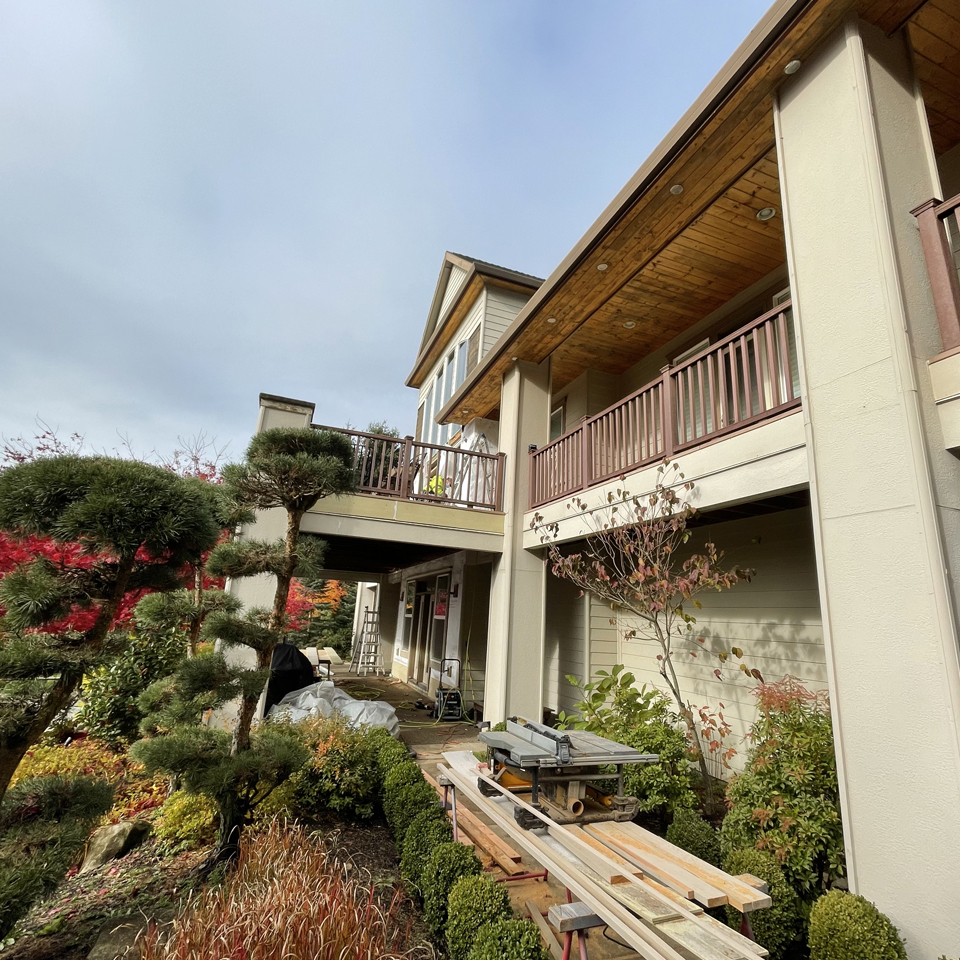
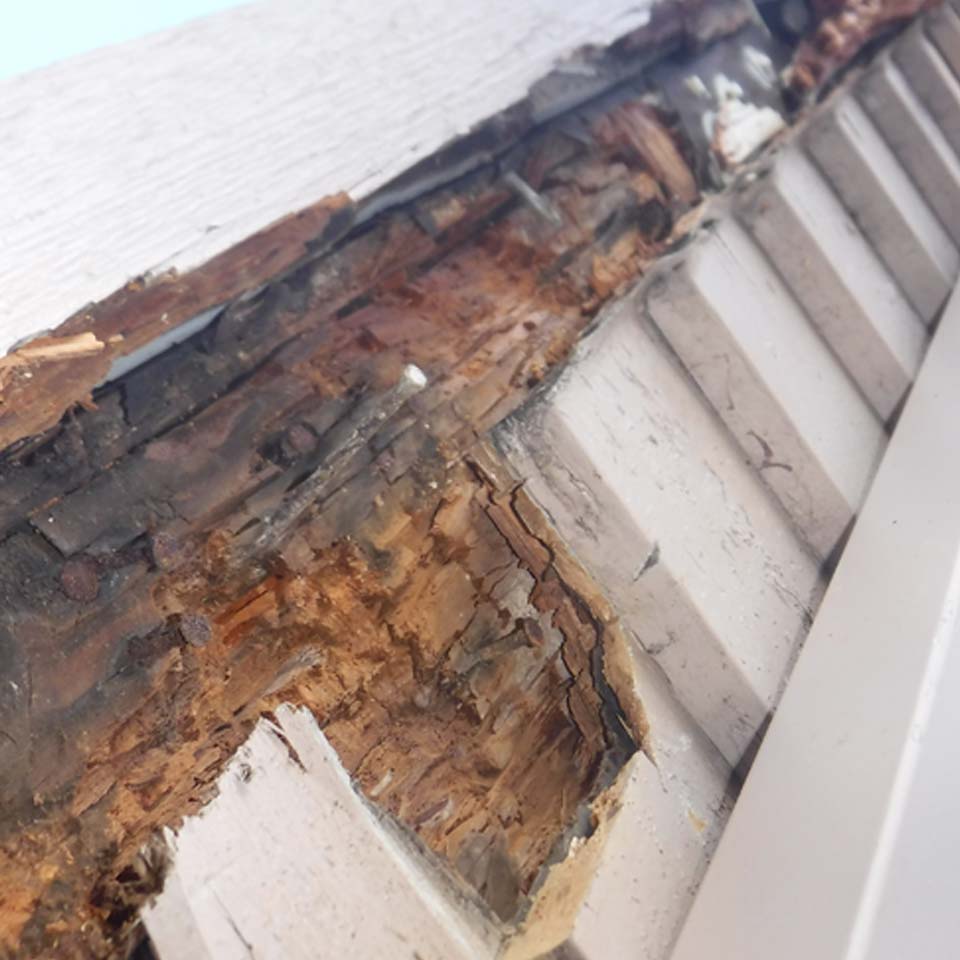
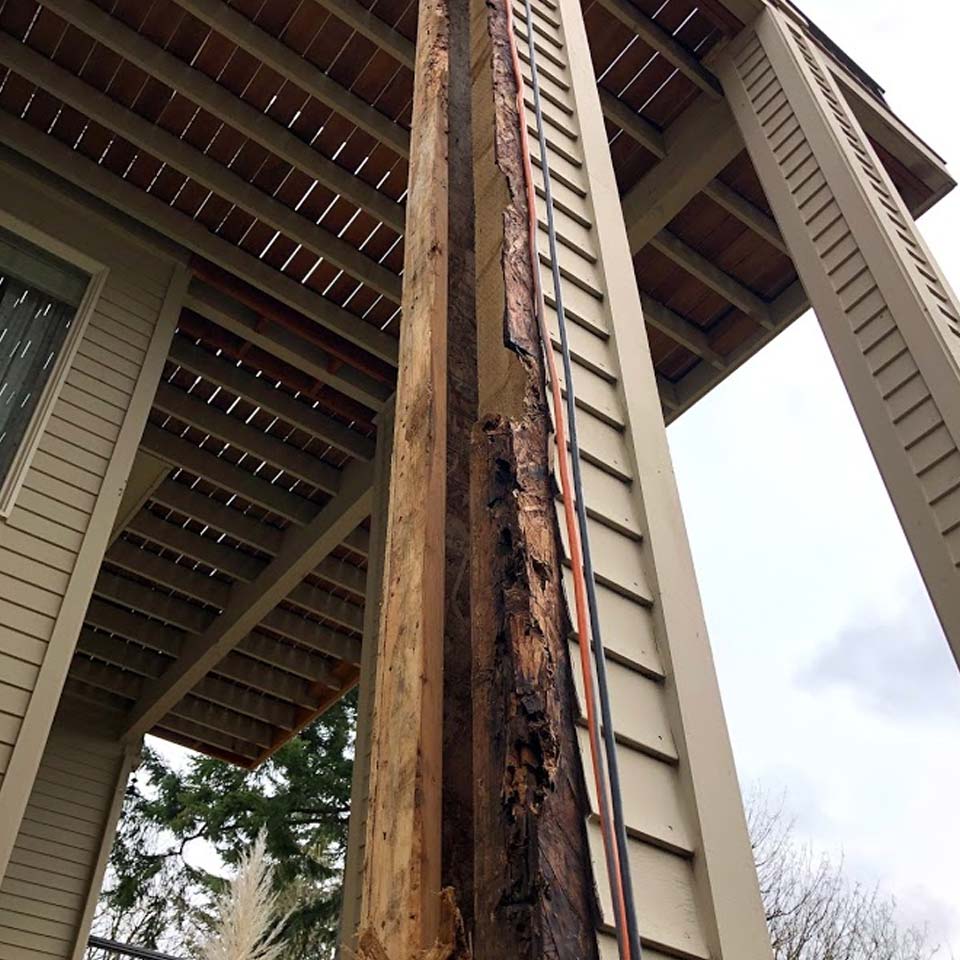
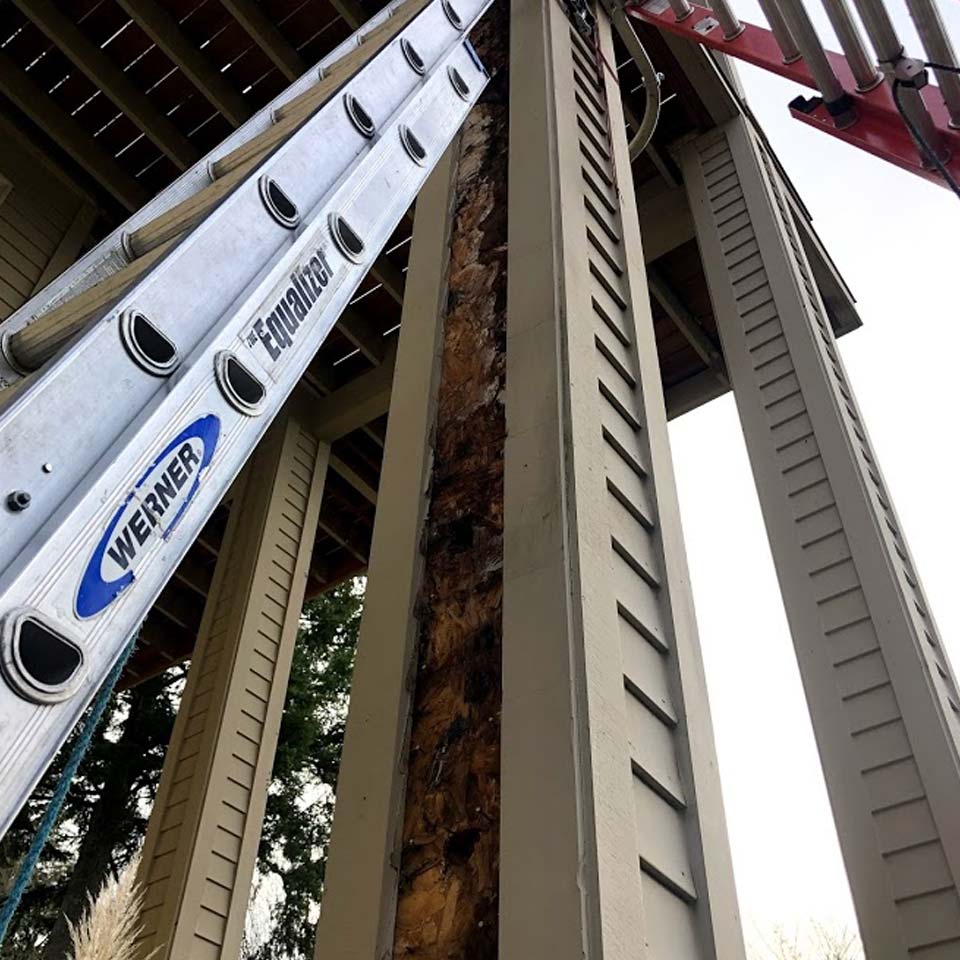
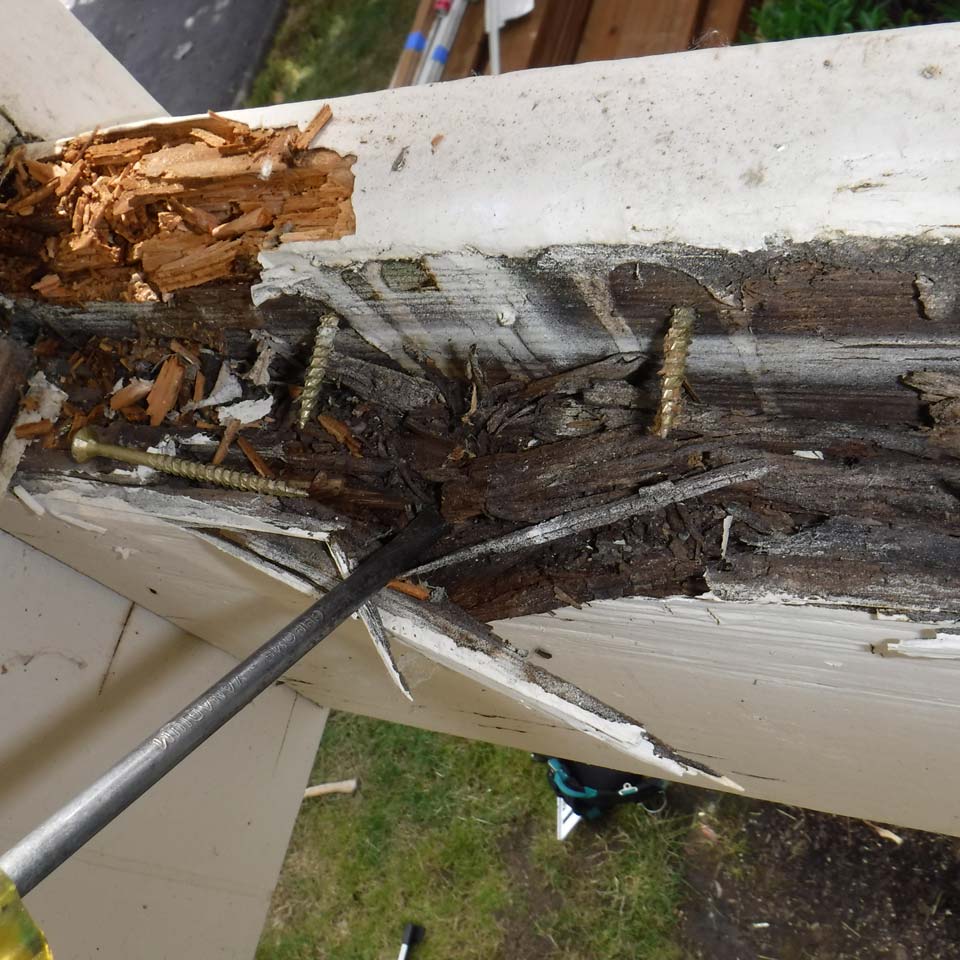
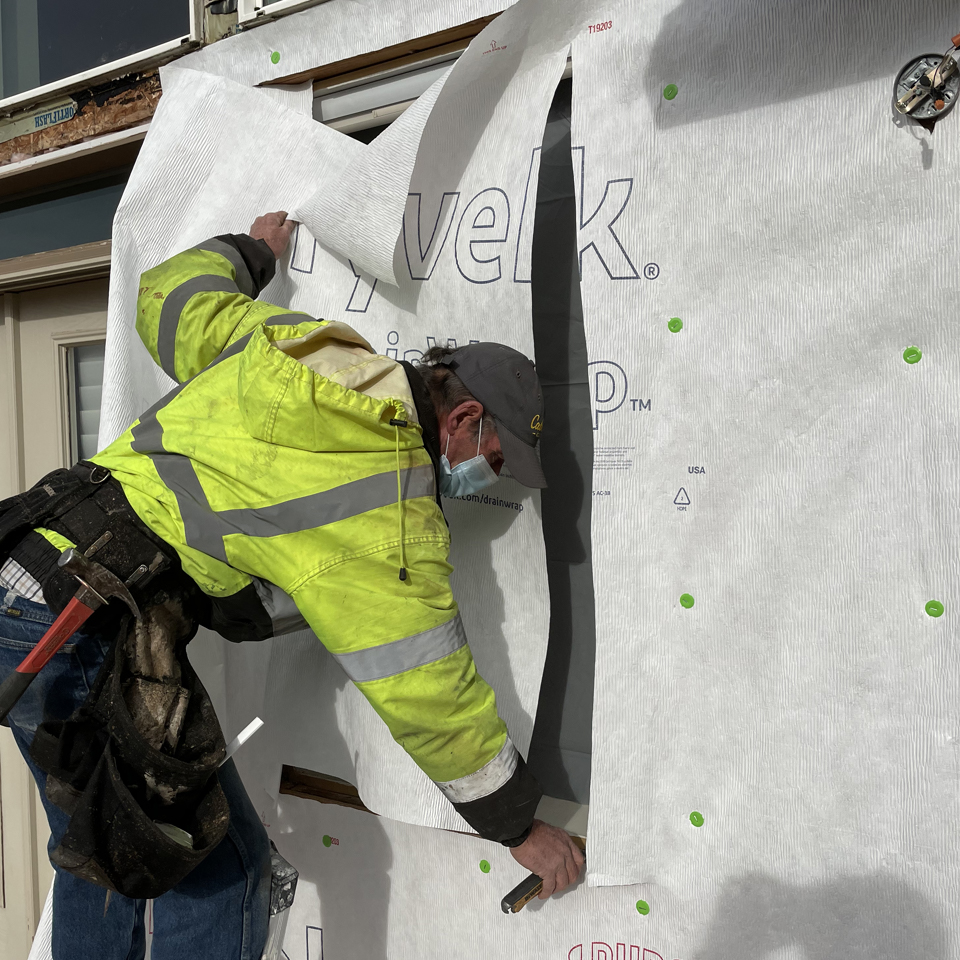
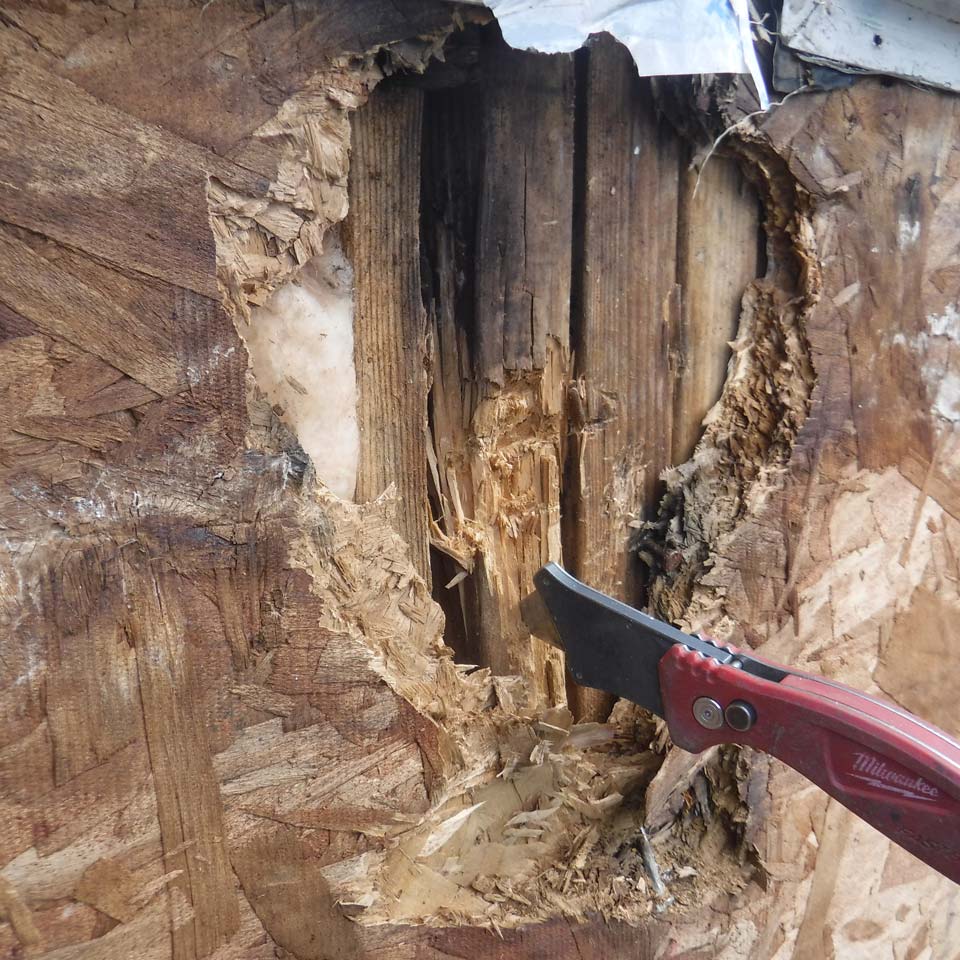
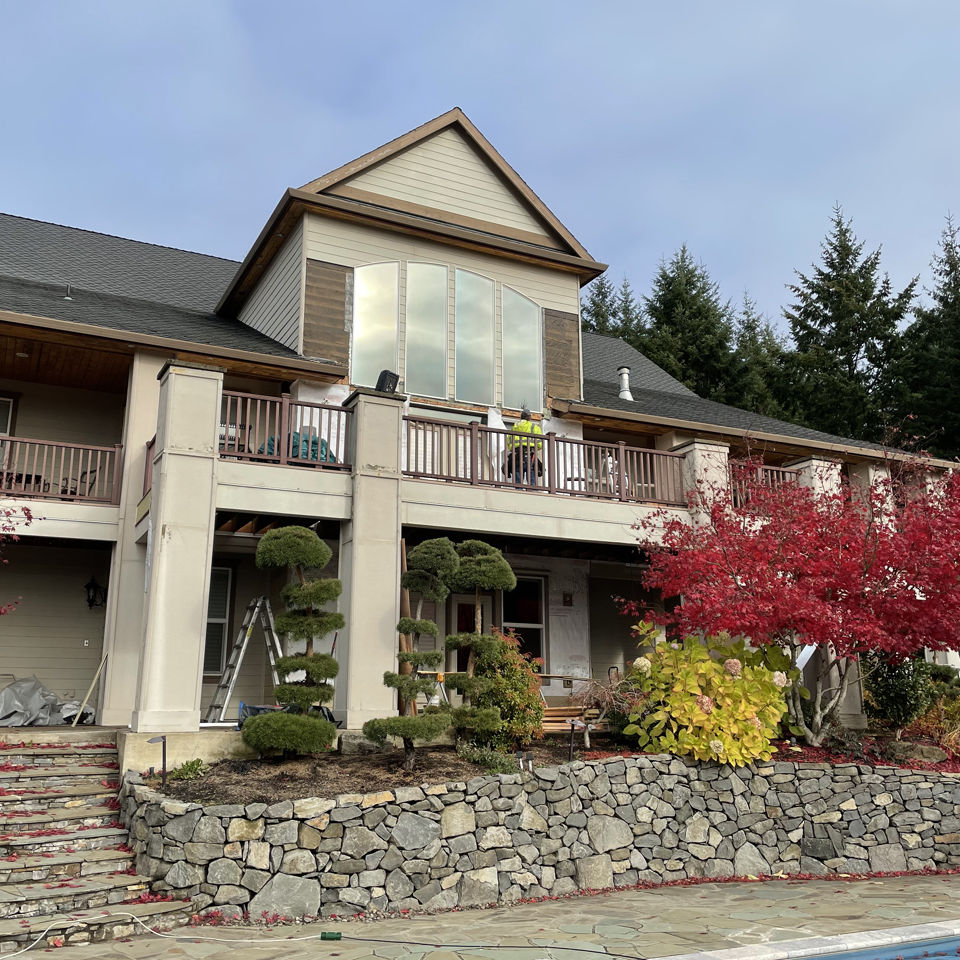
Our 3-Step Dry Rot Repair Process
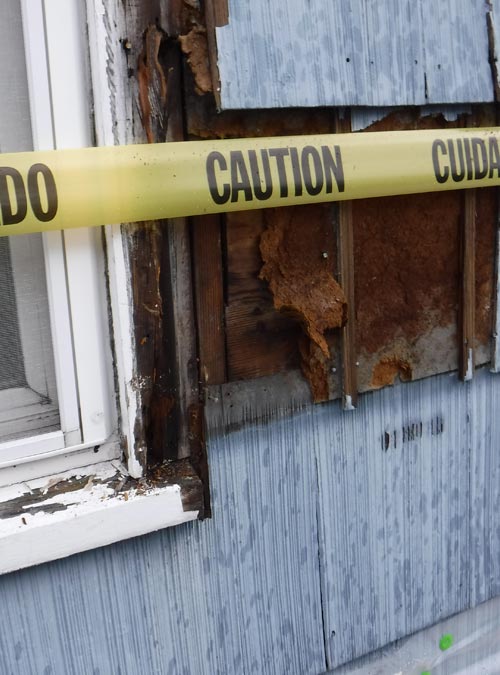
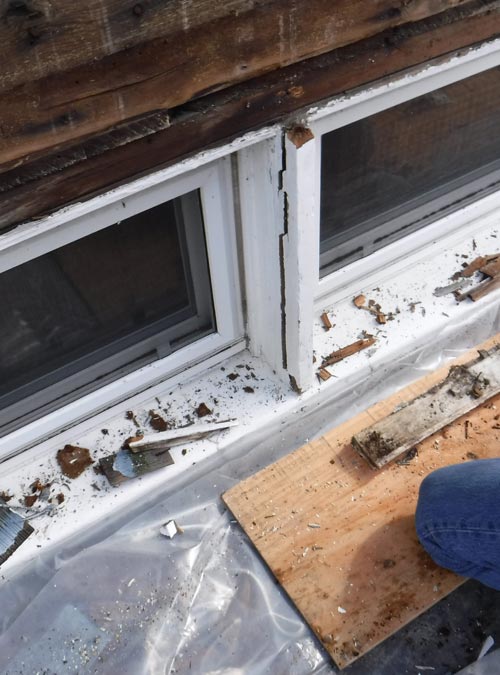
Find The Root Cause
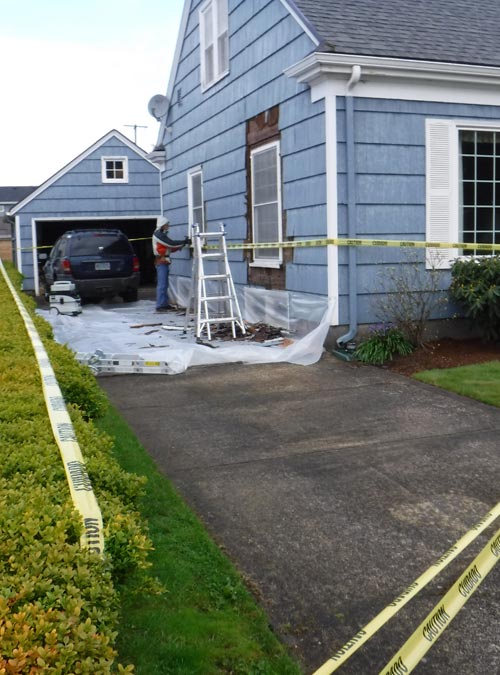
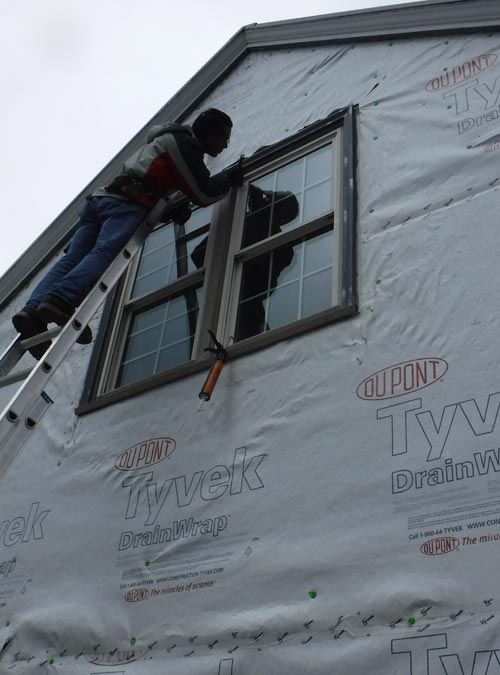
Perform A Targeted Repair
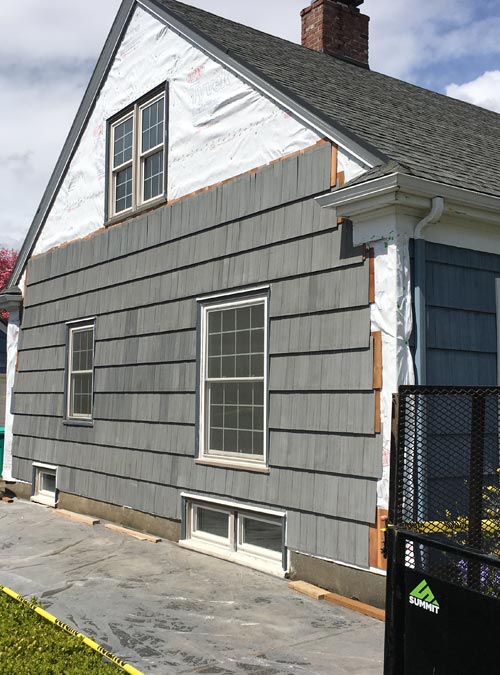
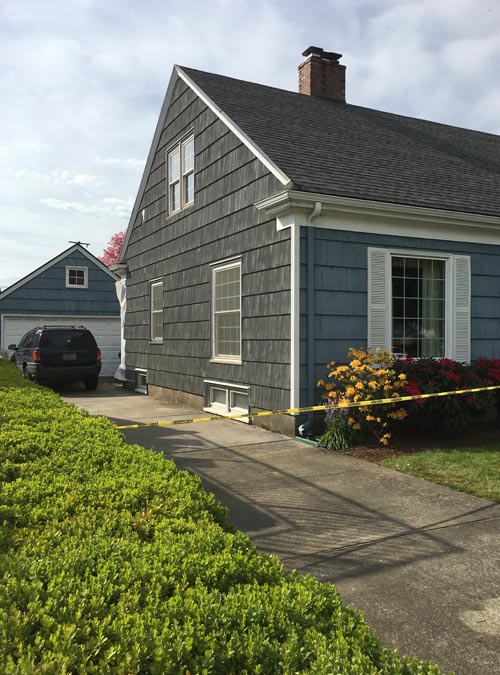
Seal The Exterior
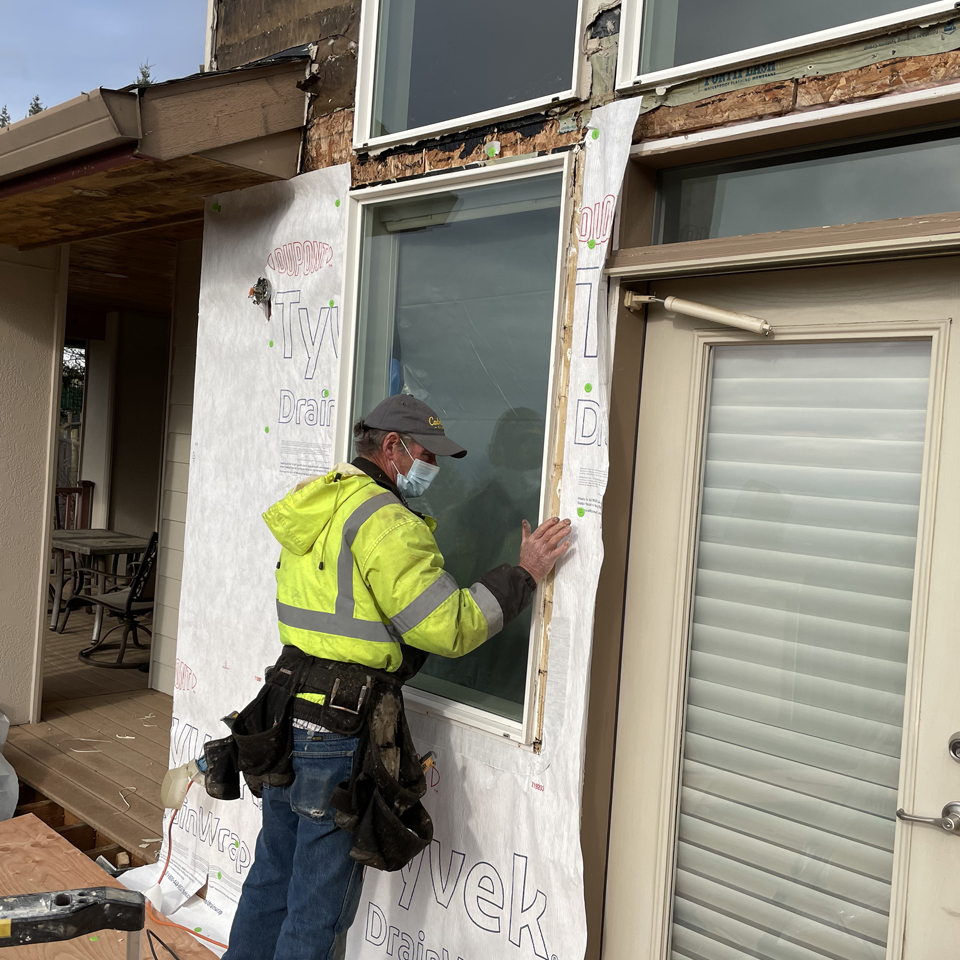
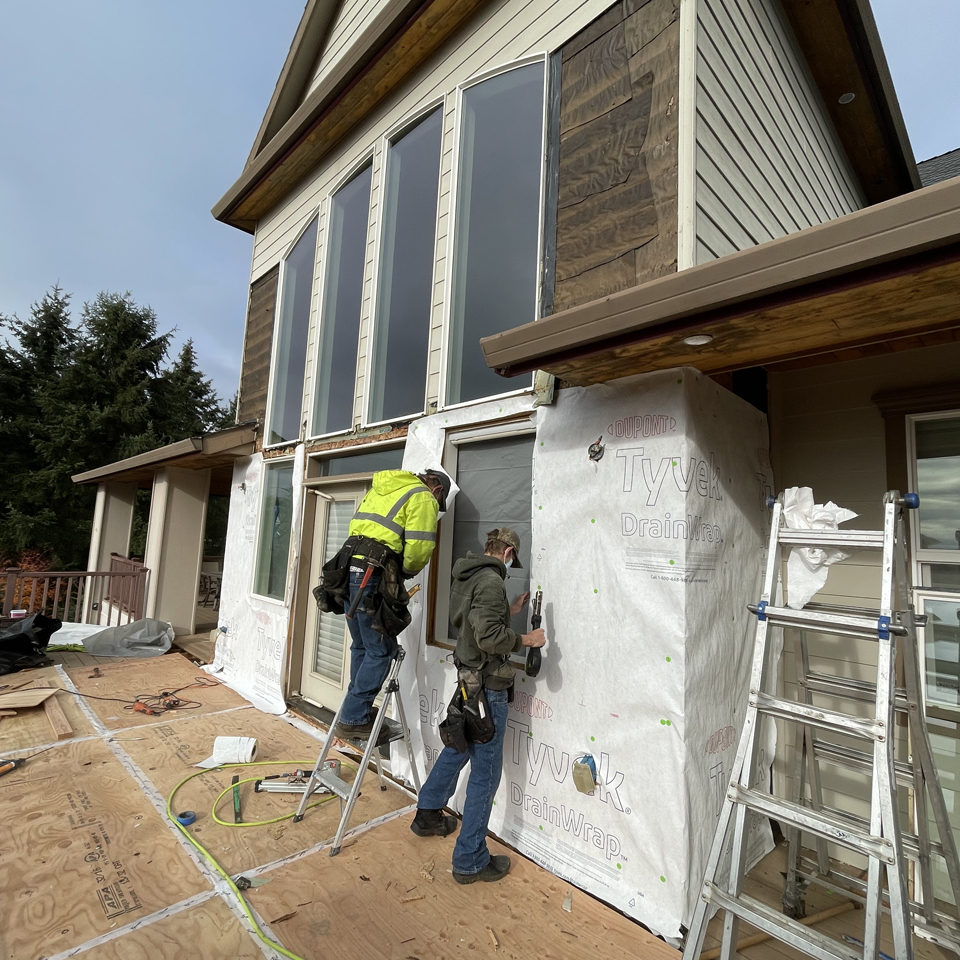
Our dry rot repair process identifies the source of moisture, removes all compromised wood, rebuilds affected structural areas, and restores proper waterproofing to help prevent future rot.
If you’re searching for dry rot repair near you, it’s critical to work with a contractor who can fully diagnose moisture intrusion and prevent the problem from returning.
Professional Dry Rot Repair Experts
Dry rot problems can be difficult to diagnose and often go unnoticed until structural damage has already begun.
Before hiring a contractor, it’s important to understand what is causing the dry rot, how far it has spread, and whether the repair will address the underlying moisture issue.
Common Signs Of Dry Rot
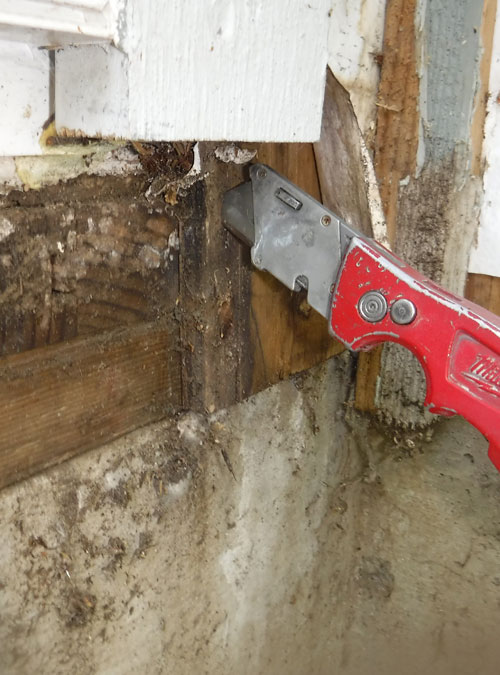
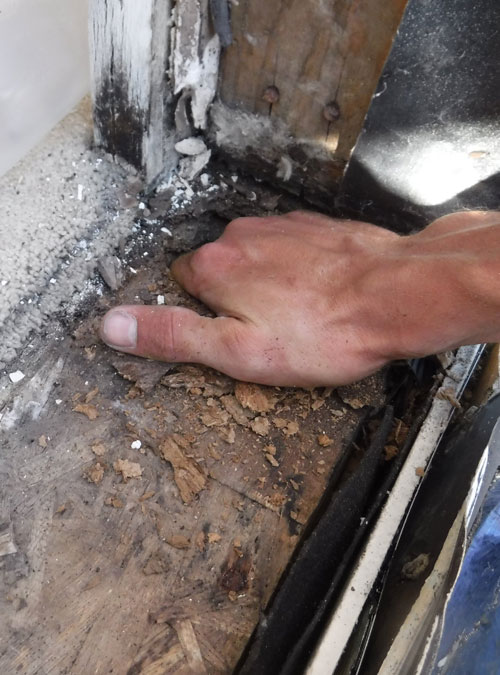
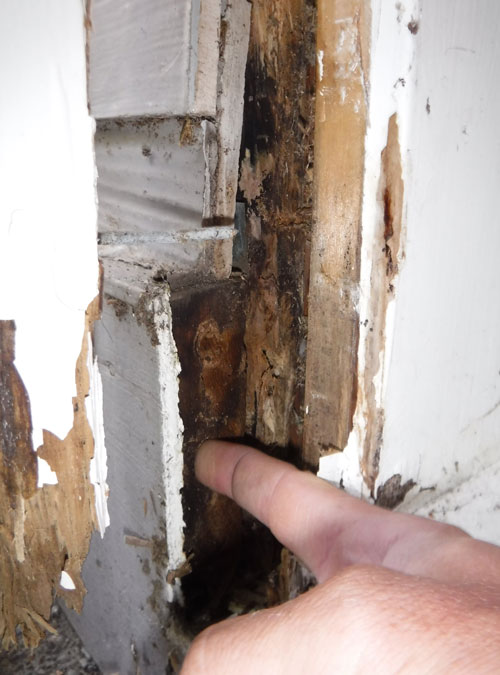
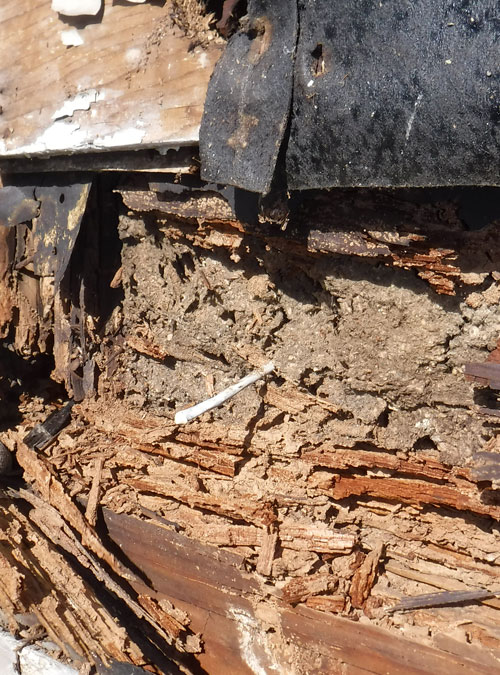

Dry rot can seriously damage your home’s structure and often begins in hidden areas.
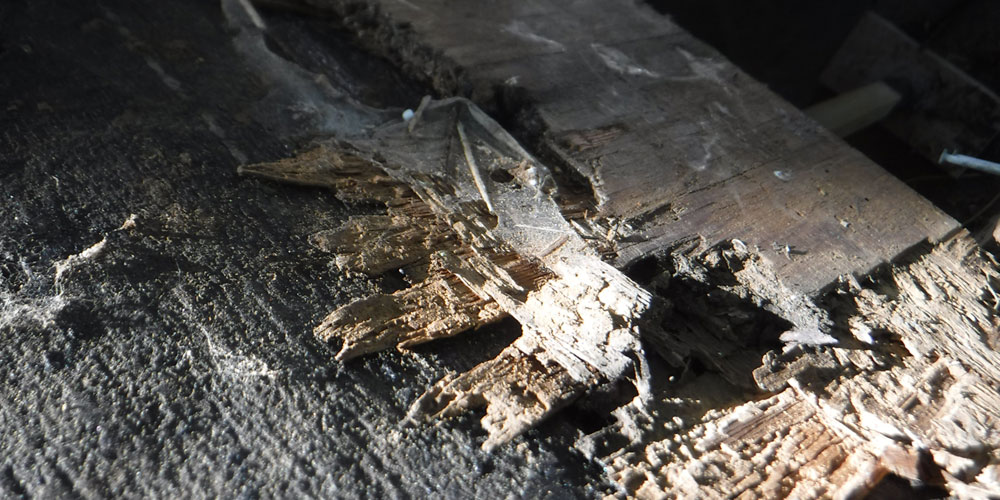
Many homeowners first notice wood rot around windows, soft or spongy wood, or deteriorating trim before realizing the full extent of the damage.
Additional warning signs include musty odors, discoloration, and areas that feel soft or unstable—often indicating hidden structural damage.
These warning signs mean dry rot fungus may already be spreading. Therefore, contacting a professional for inspection and repair protects your Seaside home from further damage.
Dry rot commonly develops in moisture-prone areas of the home, including:
- Areas of your kitchen and bathroom
- Deck floorboards, ledger, and posts
- Floor covering, subfloor, and joists
- Framing around windows and doors
- Inside posts, beams, joists, and sills
- Roof shingles, gutters, soffit, and fascia
- Walls, baseboards, stiles, and rails
So, what is dry rot, and how can it be affecting your home?
Dry rot is caused by a wood-decay fungus that thrives in moisture-rich environments. In Seaside’s coastal climate, recurring moisture exposure can lead to hidden structural damage if not addressed early.
Dry rot spreads when moisture remains present in wood, breaking down structural integrity over time. Identifying and eliminating the source of moisture is essential to stopping further damage.
We focus on targeted dry rot repair, removing damaged materials and restoring structural integrity while preventing moisture from returning.
We al;so perform dry rot repairs in Seaside, Astoria, Gearhart, Cannon Beach, Manzanita, Rockaway Beach, Tillamook, Pacific City, Lincoln City, Depoe Bay, Newport, and parts of the Southern Washington Coast, including Long Beach Peninsula, Ocean Shores, and Westport.
Seaside Dry Rot Blog
Exterior Home Repair Resources for Dry Rot Repair, Siding Repair, Window Leak Repair, and more.
Browse our dry rot repair guides and exterior home repair resources to learn more about wood rot, moisture damage, and repair methods.

Wood Decay
3 MIN READ
Wood decay can be a big problem for both new and experienced homeowners but particularly plagues those of us who live in the often damp Pacific Northwest. Despite its colloquial name, dry rot is most often caused by communities of fungi growing in wood with high moisture saturation.Our Siding And Dry Rot Process
2 MIN READ
We get a lot of questions on how our crews operate for siding repairs and wood rot repairs. The following infographic (print and share with family and neighbors) details how we do it.Structural Dry Rot Repair
2 MIN READ
SFW Construction excels at structural dry rot and framing repair. Our company is widely recognized as THE company to handle dry rot. We believe we have set the standard in our transparent approach to these difficult and discovery-based projects.Questions About Dry Rot?

Dry Rot Repair FAQs
Below are common questions homeowners ask about dry rot repair, including costs, repair methods, and how to identify early signs of wood rot.
No, dry rot can not be covered up or painted over it will continue to grow and eat at the affected areas until it is cut out and removed. Covering up dry rot damage is never a good idea, and all reputable and licensed contractors will advise their clients against this and refuse to conduct a dry rot cover-up.
Yes, SFW Construction conducts siding and leak repairs year-round, even in the rain. Our highly-skilled carpenters live and work in the Pacific Northwest and know how to perform repairs safely and correctly in inclement weather. The only part of the project that would need to wait for a rain-free day is any painting, but we only use pre-primed material to prevent any water damage to the product until paint can be performed.
No, damaged sill or mud plates can be removed in sections with temporary support and replaced without conducting a costly home lift.
What Are Signs That You Have Dry Rot?
- You Notice Wood Beginning to Shrink, Darken, or Crack
- You Can Easily Penetrate Wood Surfaces with a Screwdriver
- There is a Musty Odor Present
- Bathroom or Kitchen Floors Feel “Springy”
- Cracked or Peeling Paint Around Windows, Doors, and Trim
- Wood Surfaces are Covered in Something Resembling the Skin of a Mushroom
What Are Common Areas For Dry Rot?
- Siding, Trim, Windows, and Door Framing
- Deck Framing and Boards
- Posts and Beams
- Roofs, Eaves, and Near Damaged Gutters
- Kitchen and Bathroom Floors and Walls
- Foundations, Sill Plates, Cripple Walls, and Crawl Spaces
Dry Rot occurs when the wood of your home exposed to moisture; in order to prevent wood rot, there are several things you can do around your house:
- Properly ventilate and insulate your attic and crawlspace
- Seal floors to reduce ground moisture in the basement and crawlspace
- Confirm all the flashing in these area’s is correct and water is directed away from the wood including the deck, doors, porch, roof, wall, and windows
- Keep wood away from high moisture places including the ground, masonry, and roof
- Keep your painting and caulking up to date
- Keep any areas where water builds up clear drains and downspouts
- Please don’t leave any untreated, dry rot to cause damage to your home; treat it as soon as you can
Having dry rot would affect your property if left untreated. Slowly the wood rot will cause weakening of the wood, which could compromise your house’s structural integrity. To avoid facing severe damage to your property, fix the issue before it gets worse.
This is a common question we get when it comes to hidden dry rot damage as dry can be under your siding without you knowing. Since dry rot can travel, there is no way to see the damage’s extent without opening the material up and seeing what is under the siding. I would be wary of any contractor who appears the know the extent of the affected area just by looking at the outer material only. There are many factors to how dry rot spreads, amount of time, moisture levels, type of product affected, how the area was constructed, building defects, and animal damage. So, with all these factors to make a proper diagnosis, the affected areas need to be inspected and seen.
If you discover dry rot our recommendation would be to find a contractor that is experienced and knowledgeable in dry rot repair, someone who can resolve all your dry rot issues and eliminate the problem from the source. Your contractor should understand the skill, care, and work needed to inspect, locate, and effectively remove and remediate moisture along with making the necessary repairs caused by dry rot. If you do not want the structural support of your property at risk, do your research before hiring a contractor.
A targeted dry rot repair involves removing only the damaged wood and tying the repair back into the existing structure. This method saves homeowners time and money when the affected area is localized. Many contractors recommend overly extensive repairs or guess at hidden damage before opening the assembly, which can lead to unnecessary project scope.
Dry rot is the leading cause of damage in wood structures in the Pacific Northwest. Dry rot, which is sometimes called brown rot, wood rot, and wet rot, can lead to even more mold and mildew issues. This makes dry rot challenging to spot before it spreading—and nearly impossible to predict. As the fungi spread, they eat away at the wood, leaving it dark and crumbly. At that point, you can even crush the wood into small chips or powder with your bare hand. Unfortunately, once dry rot begins spreading within a structure, it doesn’t stop.
Serving Nearby Areas