What Not to Fix When Selling a House (And Some Things You Should)
Selling your home? Not every repair is worth the time or money. Learn what not to fix when selling a house, and which projects—like siding repairs and dry rot removal—can protect your asking price, boost curb appeal, and prevent costly inspection surprises so your sale stays on track.
Signs of Dry Rot in Your Home: What Every Pacific Northwest Homeowner Should Know
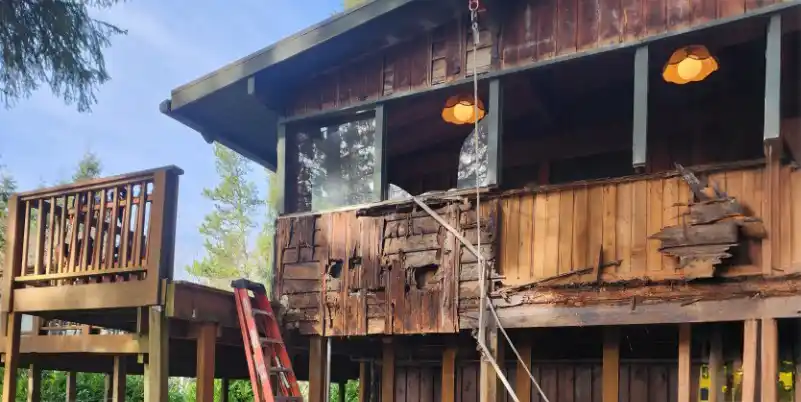
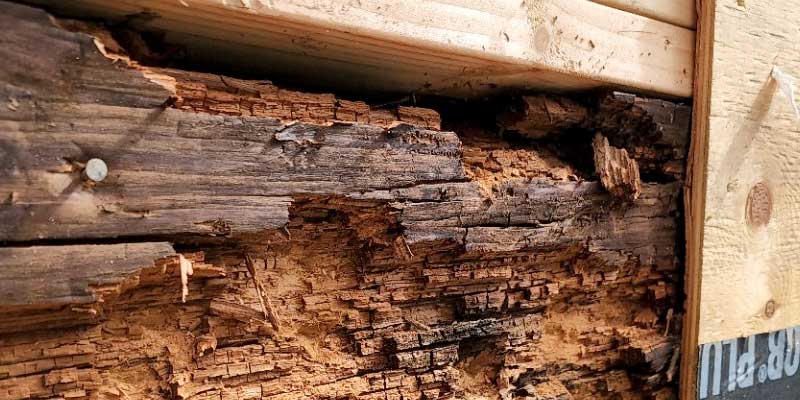
Signs of Dry Rot in Your Home: Moisture and fungi in the Pacific Northwest can quietly damage your home’s siding and structure. Spotting dry rot early—before it spreads—can save you thousands in repairs. From soft wood to peeling paint and musty odors, knowing the signs of dry rot in your home gives you the power to act fast, protect your investment, and preserve your home’s value.
Why Is It Hard To Scope The Cost Of Dry Rot Repair?
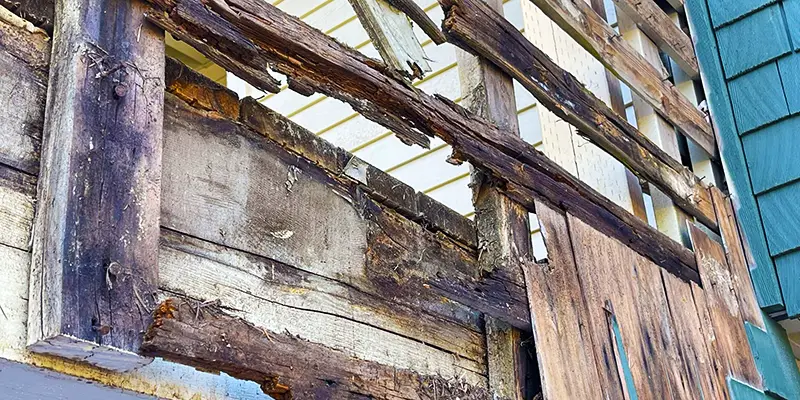
Many contractors can only accurately estimate damages associated with dry rot by doing some exploratory work first.
It’s always best to work with an experienced dry rot contractor with deep knowledge of your home’s structural aspects, the construction methods used at the time, and the materials used.
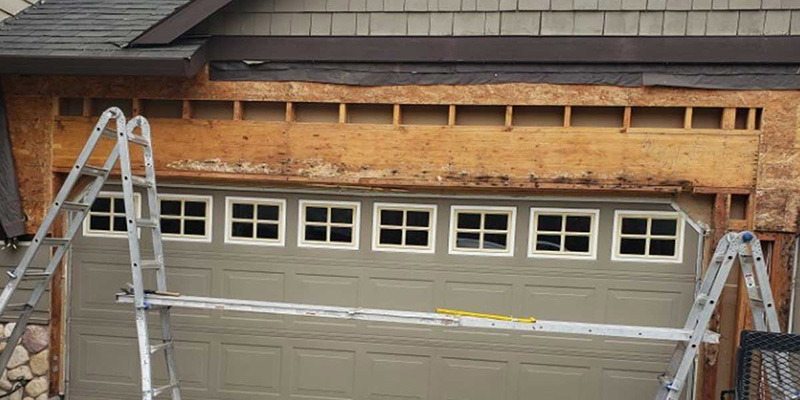
Repairing Rotted Wood Around Your Garage
4 MIN READ
The garage feels like a distinctly American component of the modern home. It’s a place you can park your car, store your extra stuff, do the laundry, or even convert into a shop or casual hang-out space. However you use it, the garage is also the unique part of your home that marks the transition between the outside world and the inner sanctity of your dwelling, which makes it especially susceptible to garage rot – areas where wood surfaces and structures are rotting.How to Identify Rot on Your Home
Dry rot is a destructive fungal decay that targets wood, causing severe structural damage. Learn to recognize the signs, including spongy wood and discoloration, to prevent serious issues. Regular inspections and addressing moisture are crucial in combating this silent adversary and protecting your home.