Dry Rot Repair In Bremerton, WA
Repairing Wood Rot And Moisture Damage In Bremerton Homes
Homes in Bremerton are exposed to heavy rain and coastal moisture from the Puget Sound, creating ideal conditions for dry rot and wood decay. Early repair helps prevent structural damage and costly repairs.
The folks that repaired our soffits and facia on our place were the best. They were so knowledgeable and patient. They were thorough and kind. We highly recommend SFW!!!
Liz, Seattle, WA

Licensed • Bonded • Insured • Serving Oregon & Washington since 2005

500+ Reviews

70+ Reviews

JamesHardie

175+ Reviews
130+ Reviews

A+ Accredited
Join hundreds of happy homeowners. 4.9/5 stars based on 500+ Google reviews.
Dry Rot Repair In Bremerton For Moisture And Structural Damage
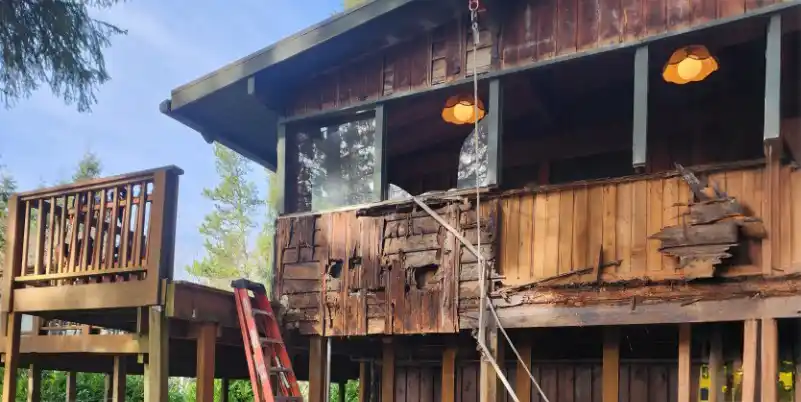
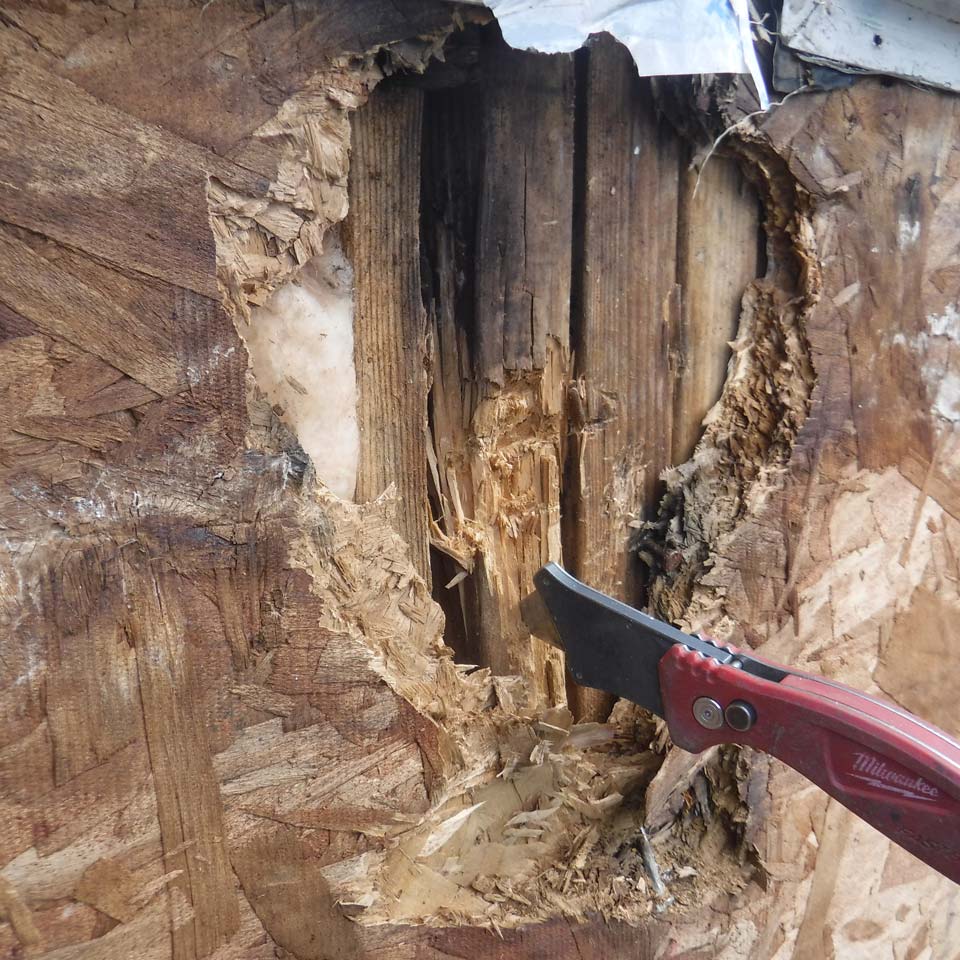
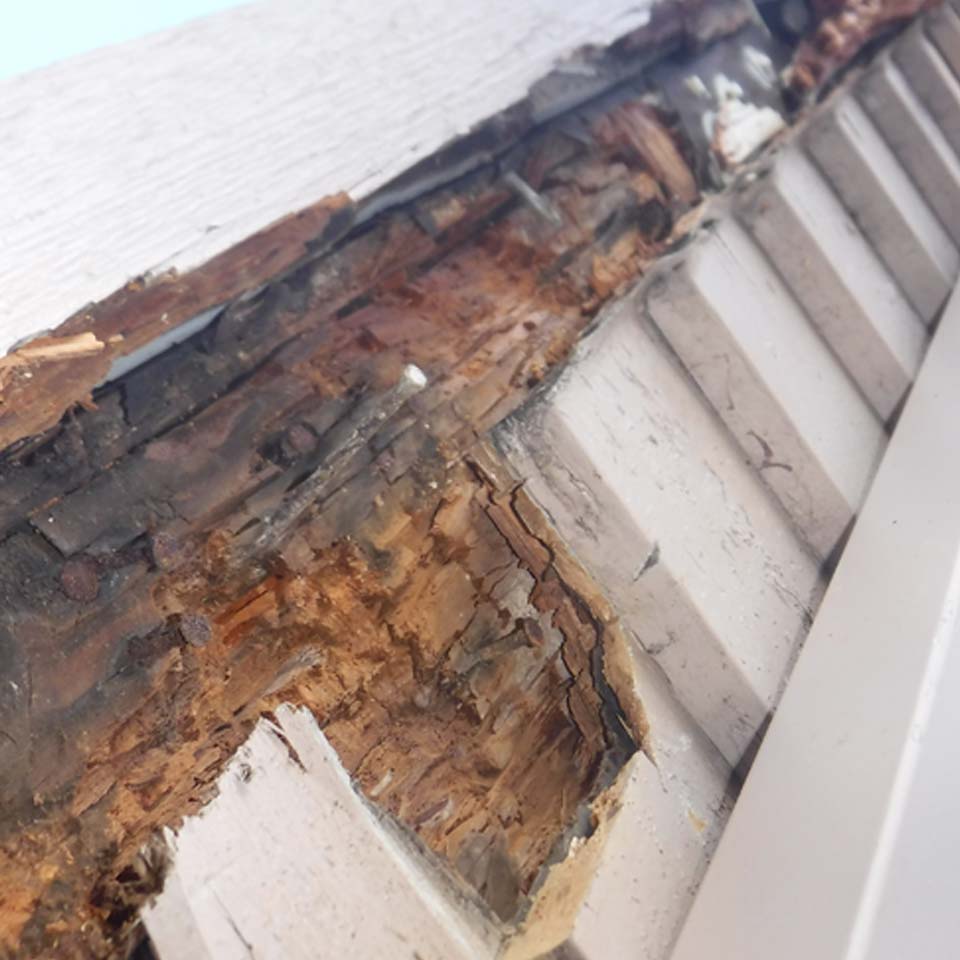
Homes in Bremerton experience constant exposure to rain, humidity, and coastal moisture from the Puget Sound, creating ideal conditions for dry rot to develop. Common issues include wood rot around windows, deteriorating framing, and hidden structural damage caused by water intrusion.
When moisture enters through siding, flashing, or window failures, it can spread behind walls and weaken structural components over time. Addressing dry rot early helps prevent more extensive damage and reduces overall repair costs.
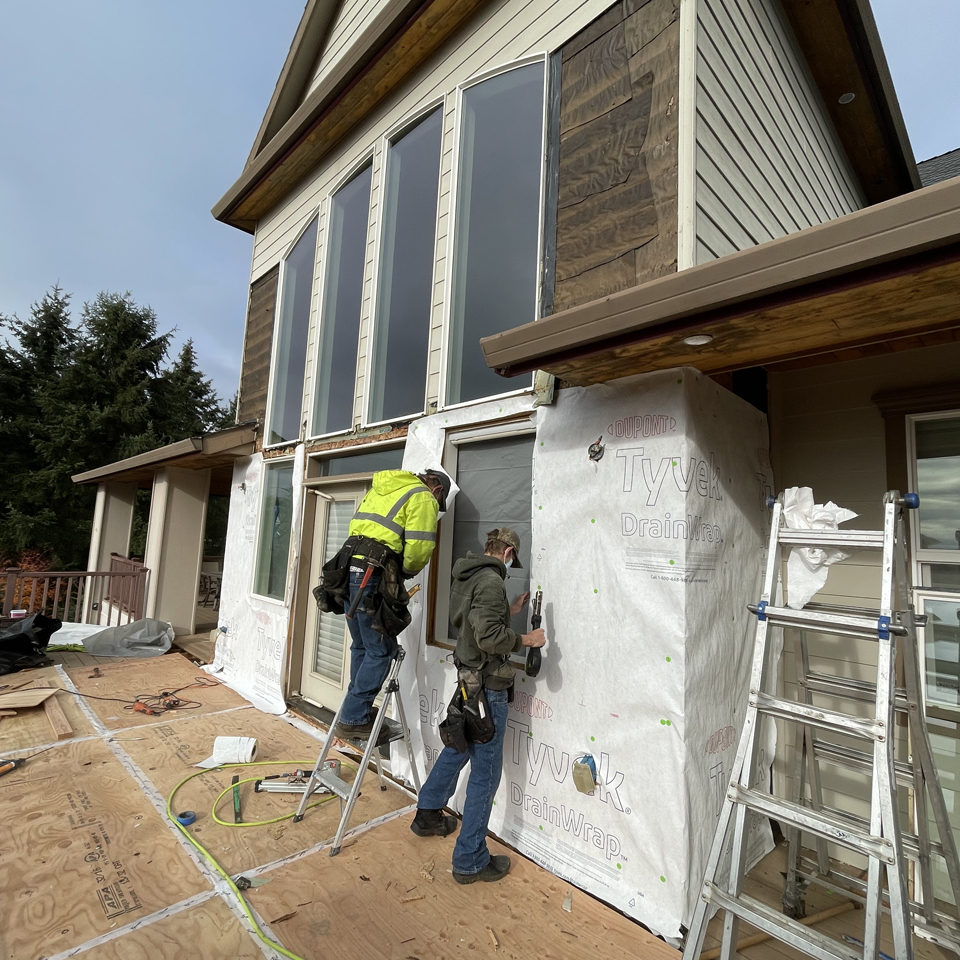
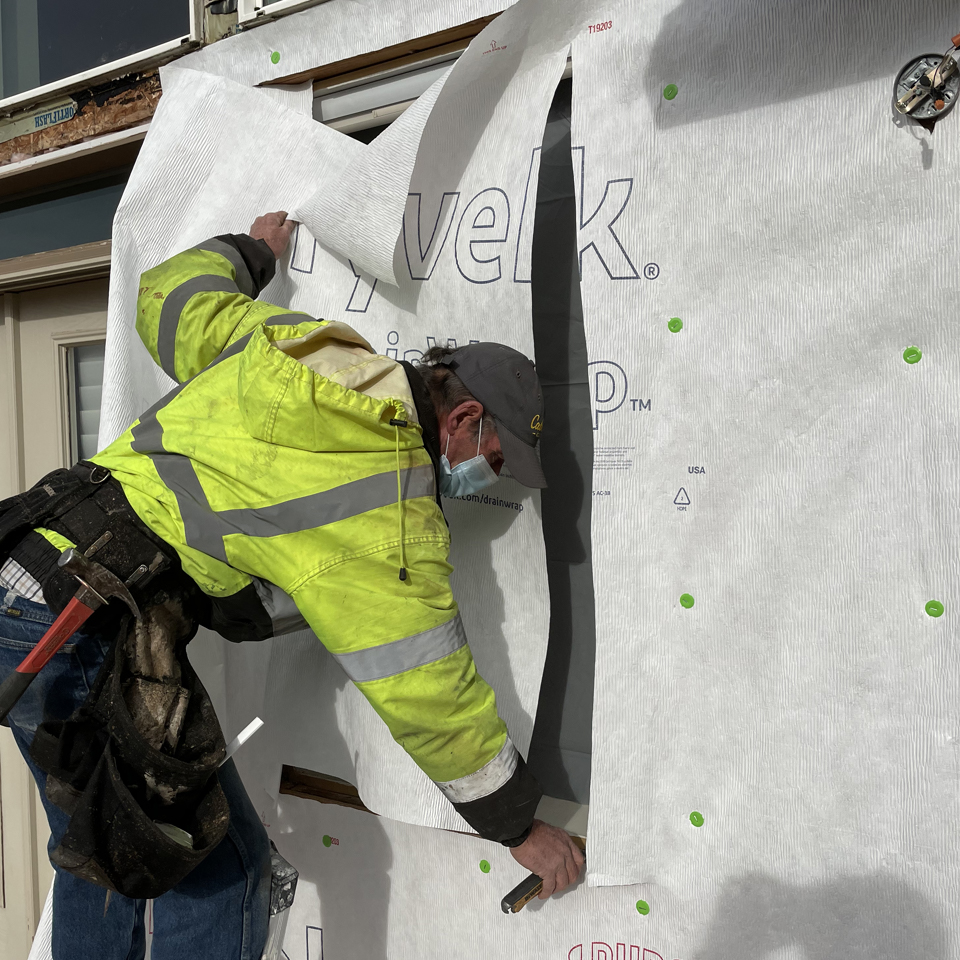
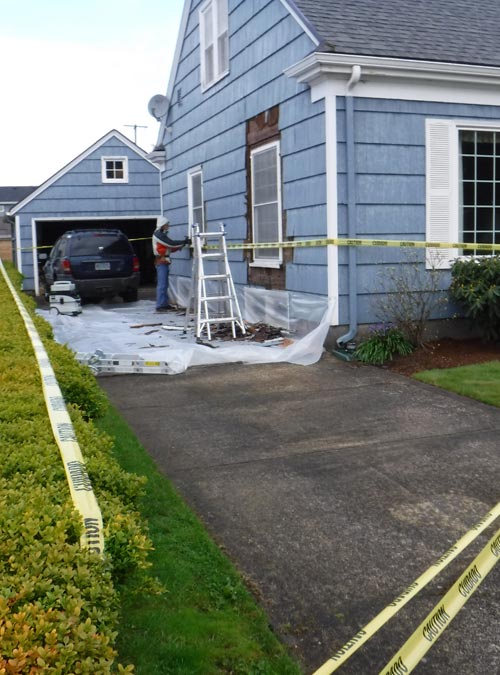
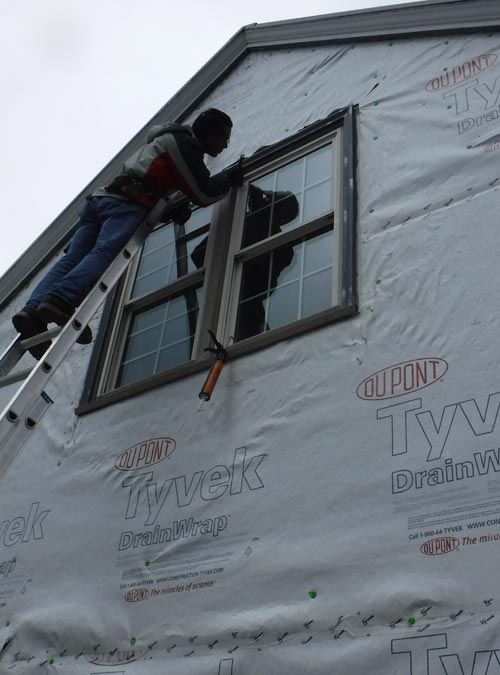
Effective dry rot repair focuses on identifying the source of moisture, removing compromised materials, rebuilding affected areas, and restoring proper waterproofing to prevent future issues.
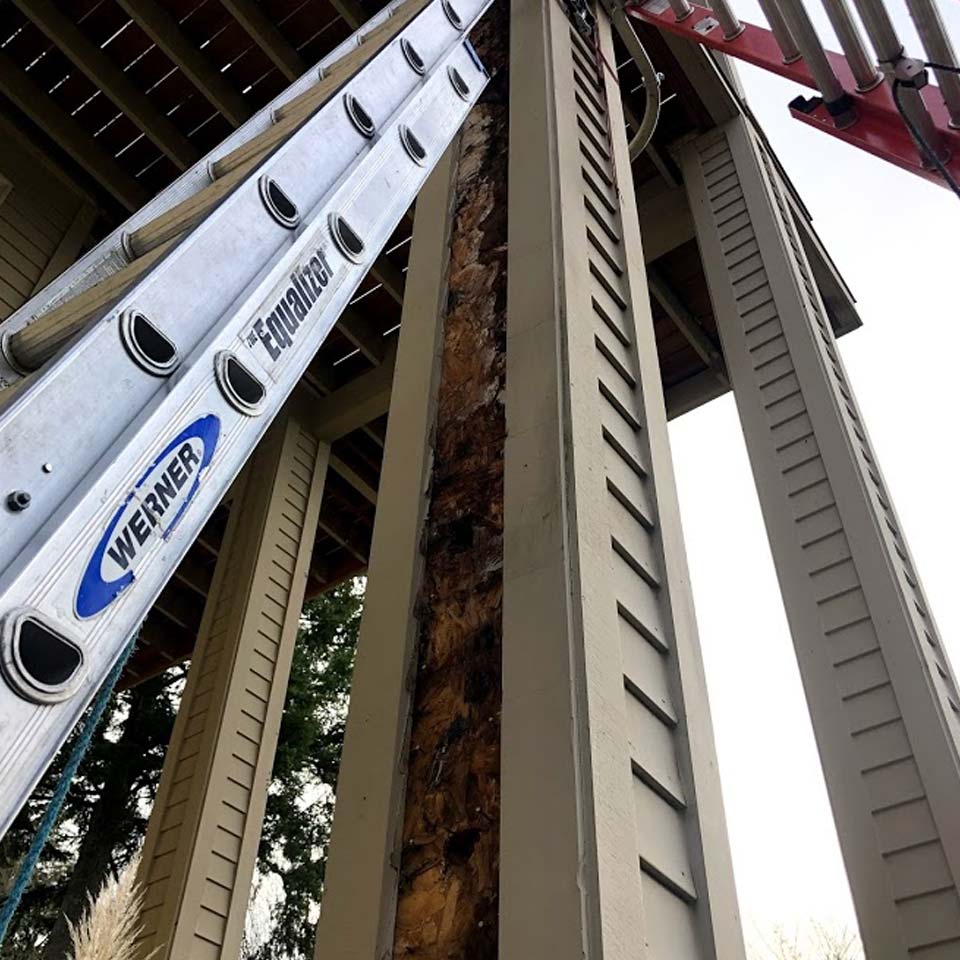
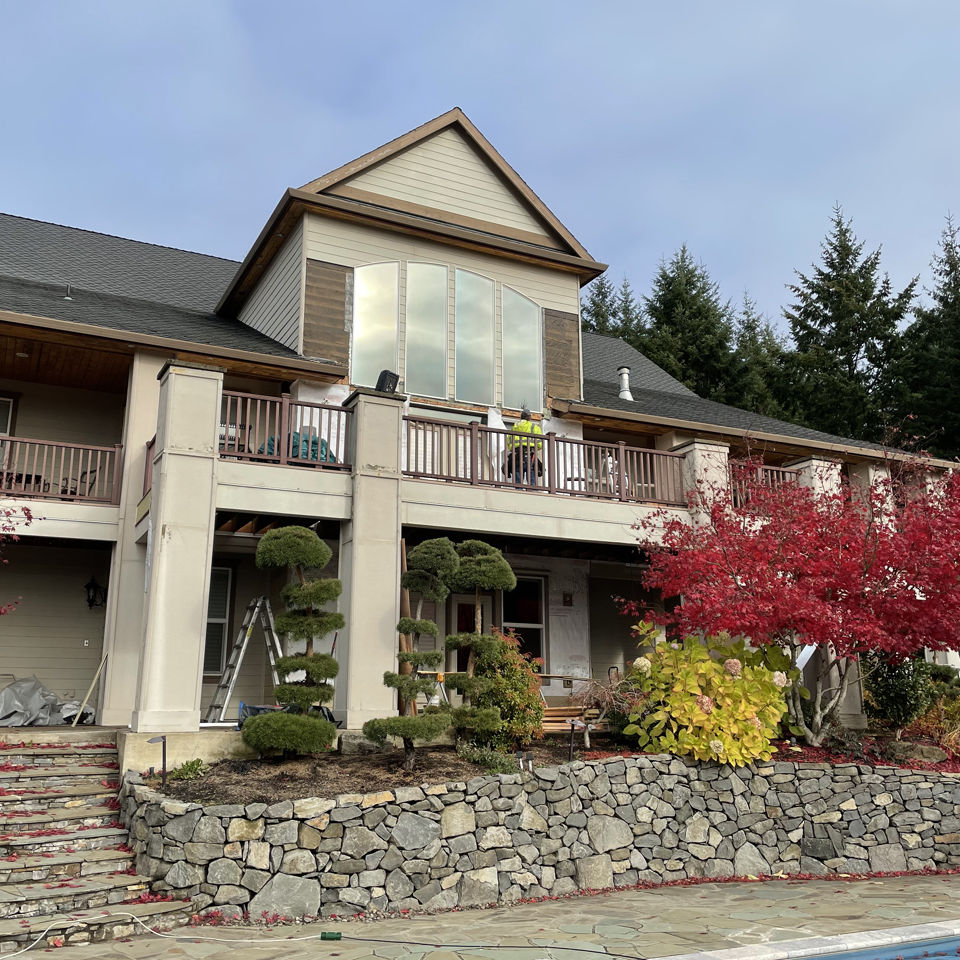
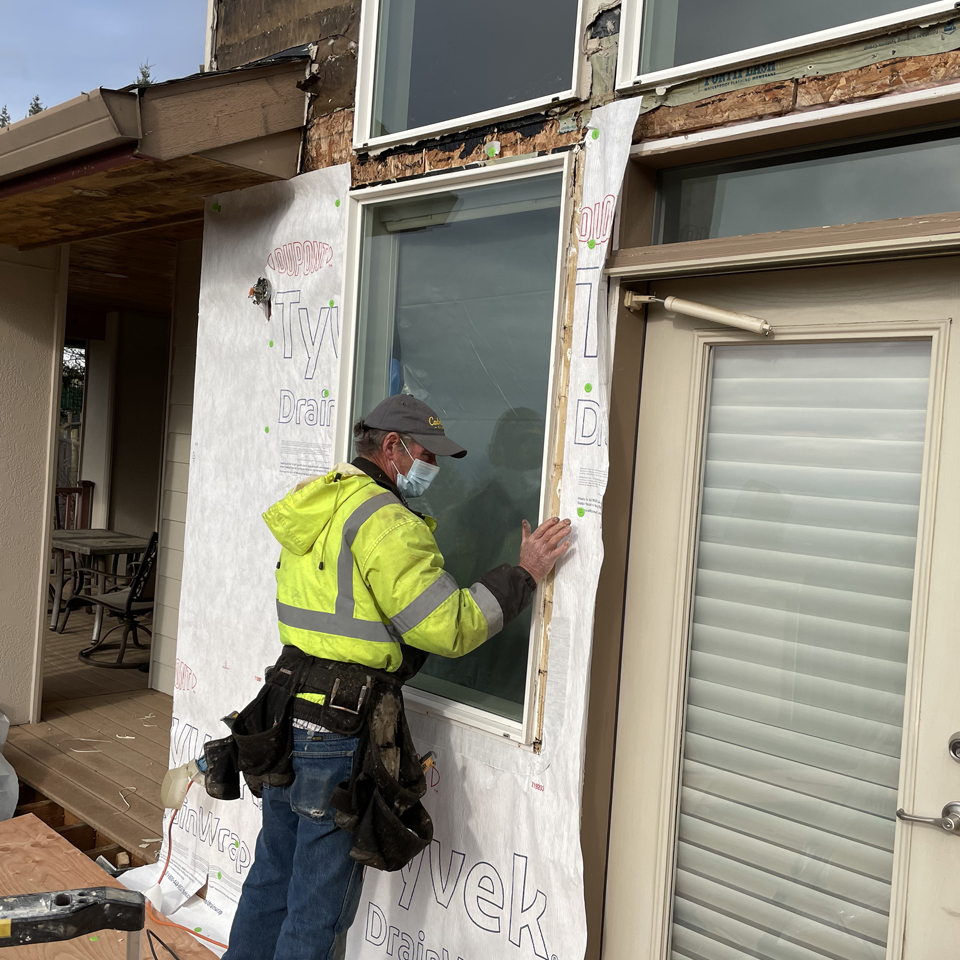
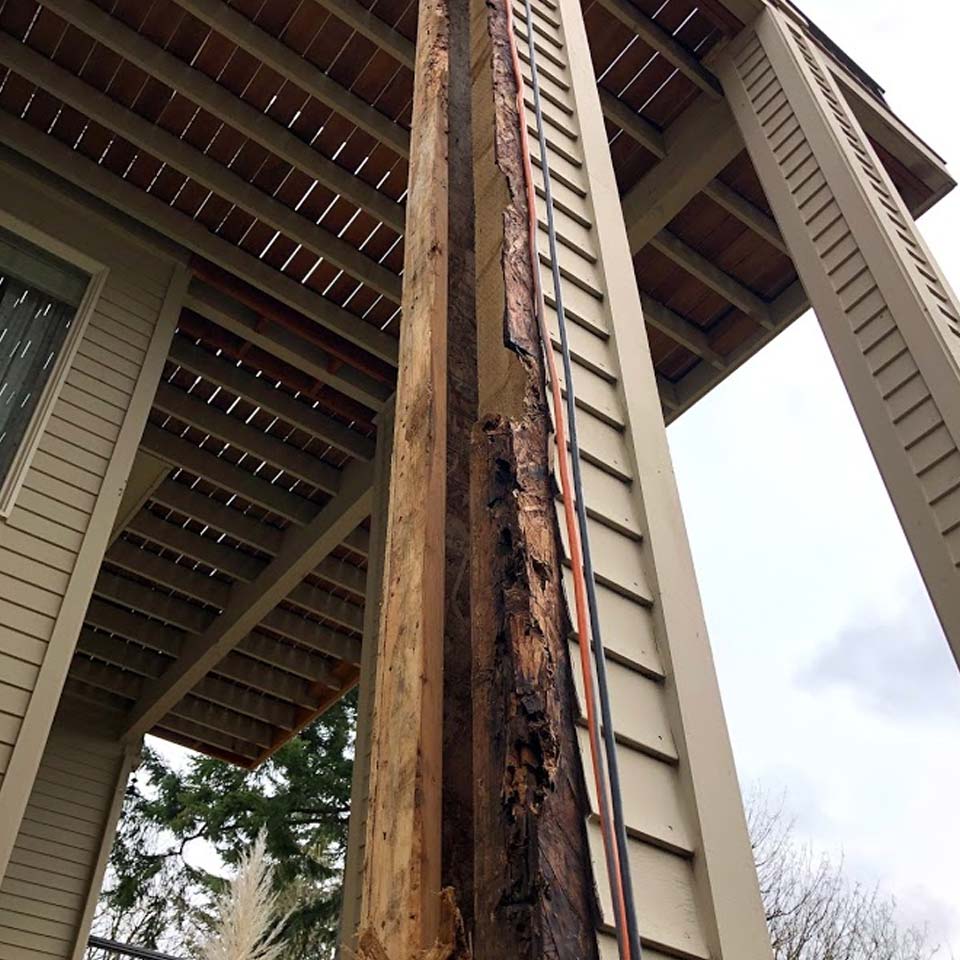
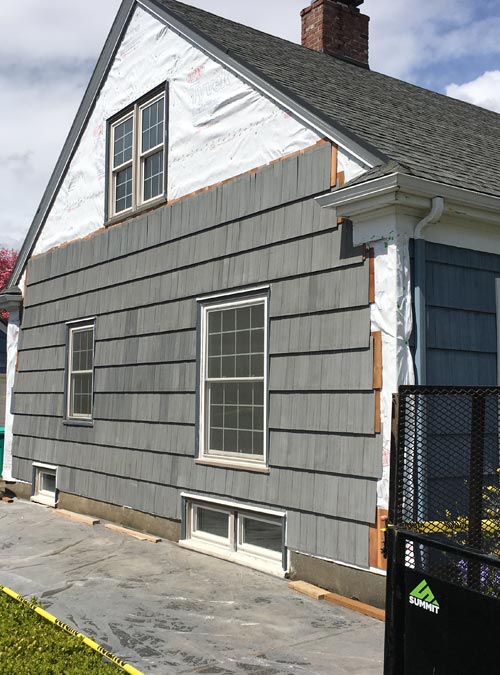
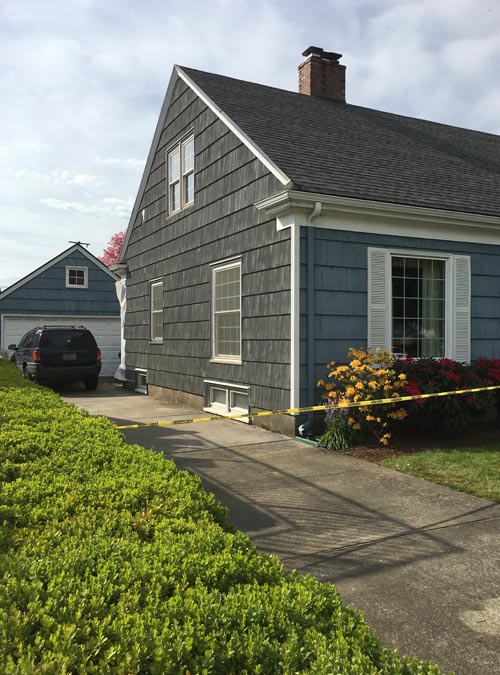
Professional Dry Rot Repair Experts
SINCE 2005
Dry rot problems can be difficult to detect and often go unnoticed until structural damage has already begun.
Before hiring a contractor, it’s important to understand what is causing the dry rot, how far it has spread, and whether the repair will address the underlying moisture issue.
Stop wasting time online—and contact us now!
We’re In Business
18+ years
Happy Customers
500+ reviews
Specialized Dry Rot Repairs
Will A., Portland, OR (06/2025)

Common Signs Of Dry Rot
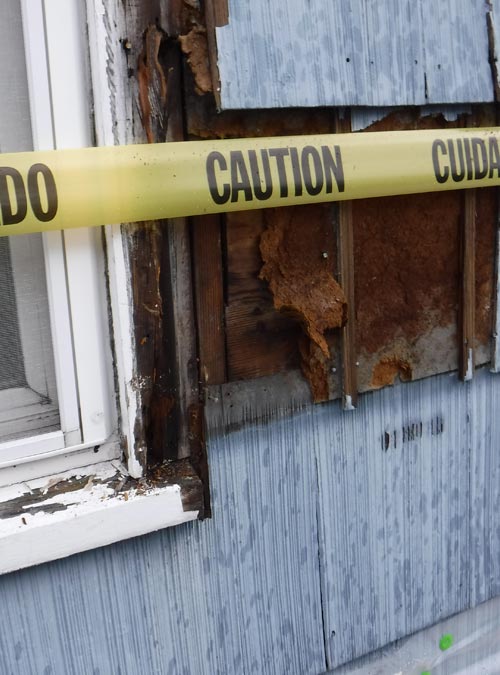
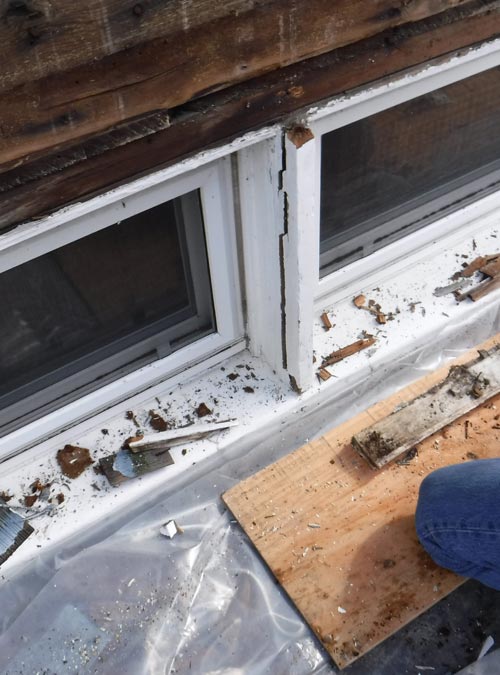
Dry rot can seriously damage your home’s structure and often begins in hidden areas. Many homeowners first notice wood rot around windows, soft or spongy wood, or deteriorating trim before realizing the full extent of the damage.
Additional warning signs include musty odors, discoloration, and areas that feel soft or unstable—often indicating hidden structural damage.
These warning signs mean dry rot fungus may already be spreading. Therefore, contacting a professional for inspection and repair protects your Portland home from further damage.
Dry rot occurs in areas that are subject to excessive moisture including, but not limited to:
- Areas of your kitchen and bathroom
- Deck floorboards, ledger, and posts
- Floor covering, subfloor, and joists
- Framing around windows and doors
- Inside posts, beams, joists, and sills
- Roof shingles, gutters, soffit, and fascia
- Walls, baseboards, stiles, and rails
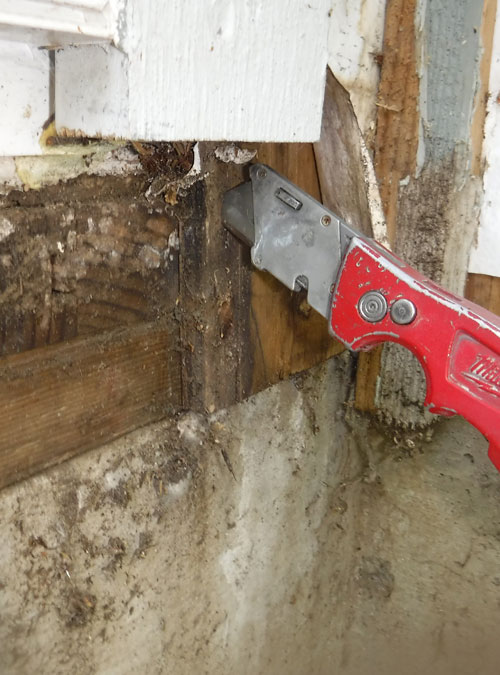
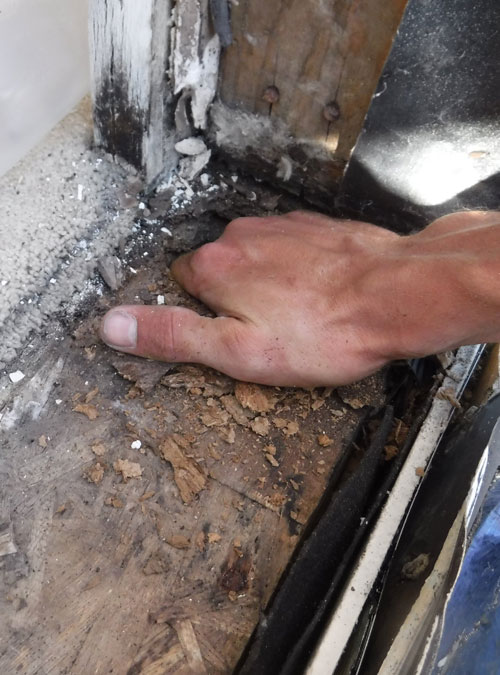
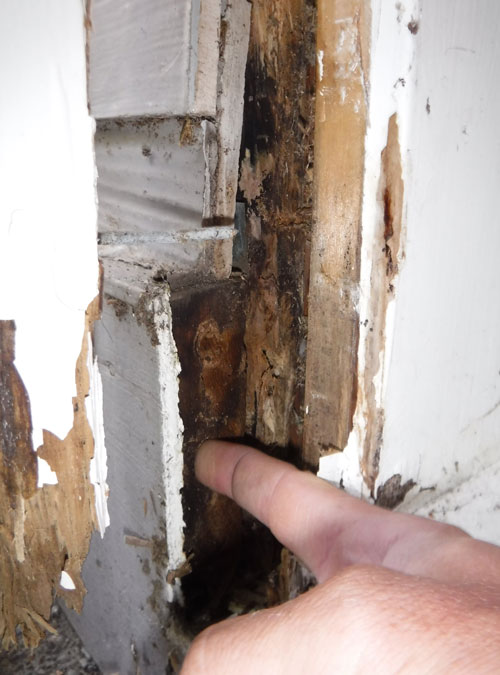
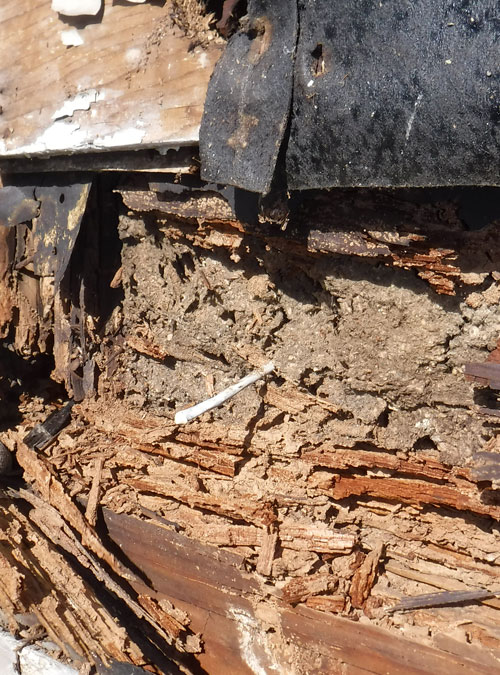

Expert Dry Rot Removal & Repair
Dry rot spreads when moisture remains present in wood, breaking down structural integrity over time. Identifying and eliminating the source of moisture is essential to stopping further damage.
Common signs your Bremerton home may have dry rot include:
- An earthy, soil-like or musty mushroom odor caused by the dry rot wood fungus.
- Rusty, reddish spores on wood surfaces.
- Growths that look like mushrooms, cobwebs or cotton on wood.
- Wood surfaces or structures that have shrunk, become loose or no longer function properly.
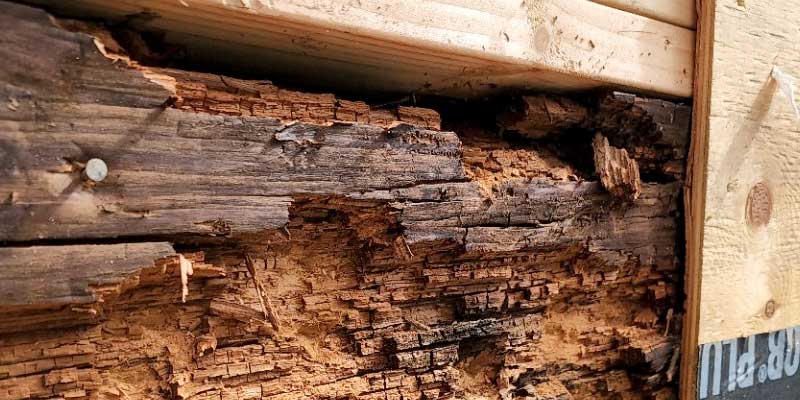
- Cracks in wood or wood that crumbles and is in a state of decay.
- Flooring that has areas that are concave and “give” when walked on.
Dry Rot RESOURCES
Browse our dry rot repair guides and exterior home repair resources to learn more about wood rot, moisture damage, and repair methods.

What Not to Fix When Selling a House (And Some Things You Should)
Selling your home? Not every repair is worth the time or money. Learn what not to fix when selling a house, and which projects—like siding repairs and dry rot removal—can protect your asking price, boost curb appeal, and prevent costly inspection surprises so your sale stays on track.

Signs of Dry Rot in Your Home: What Every Pacific Northwest Homeowner Should Know
Signs of Dry Rot in Your Home: Moisture and fungi in the Pacific Northwest can quietly damage your home’s siding and structure. Spotting dry rot early—before it spreads—can save you thousands in repairs. From soft wood to peeling paint and musty odors, knowing the signs of dry rot in your home gives you the power to act fast, protect your investment, and preserve your home’s value.
Why Is It Hard To Scope The Cost Of Dry Rot Repair?
Many contractors can only accurately estimate damages associated with dry rot by doing some exploratory work first.
It’s always best to work with an experienced dry rot contractor with deep knowledge of your home’s structural aspects, the construction methods used at the time, and the materials used.
Questions About Dry Rot?
Dry Rot Repair FAQs
Below are common questions homeowners ask about dry rot repair, including costs, repair methods, and how to identify early signs of wood rot.
No, dry rot can not be covered up or painted over it will continue to grow and eat at the affected areas until it is cut out and removed. Covering up dry rot damage is never a good idea, and all reputable and licensed contractors will advise their clients against this and refuse to conduct a dry rot cover-up.
Yes, SFW Construction conducts siding and leak repairs year-round, even in the rain. Our highly-skilled carpenters live and work in the Pacific Northwest and know how to perform repairs safely and correctly in inclement weather. The only part of the project that would need to wait for a rain-free day is any painting, but we only use pre-primed material to prevent any water damage to the product until paint can be performed.
No, damaged sill or mud plates can be removed in sections with temporary support and replaced without conducting a costly home lift.
What Are Signs That You Have Dry Rot?
- You Notice Wood Beginning to Shrink, Darken, or Crack
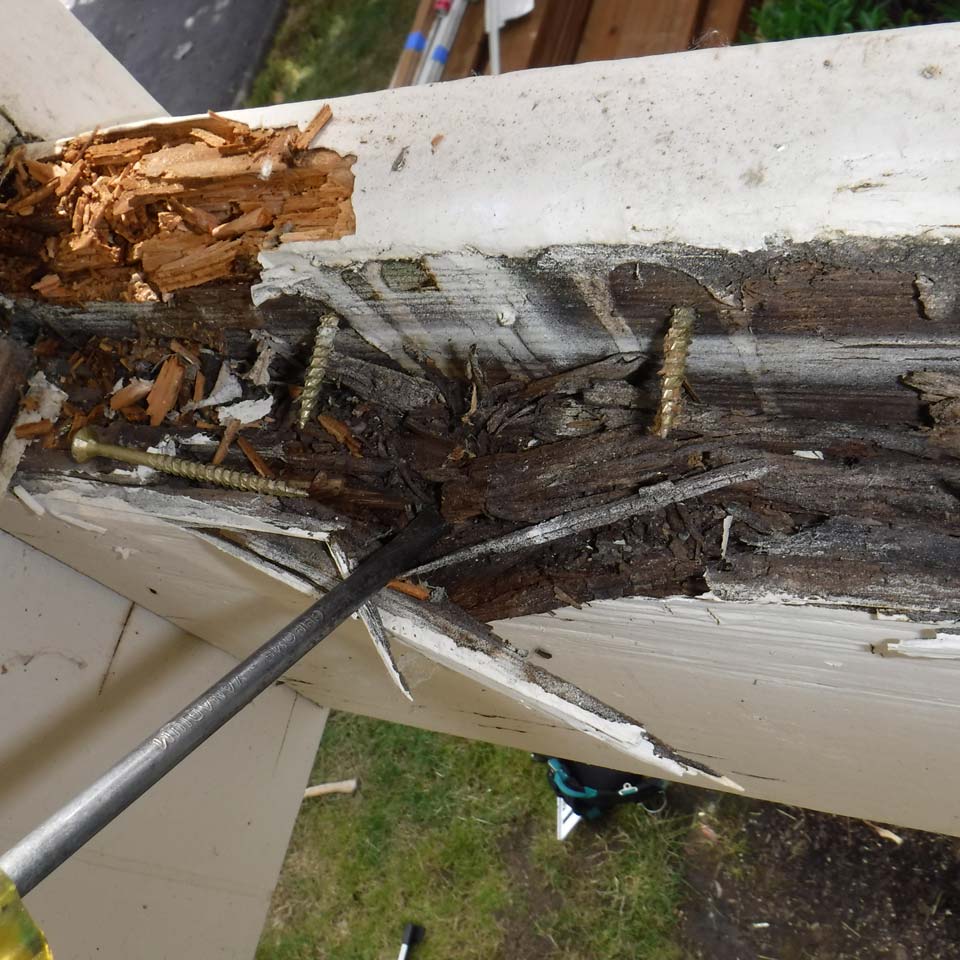
- You Can Easily Penetrate Wood Surfaces with a Screwdriver
- There is a Musty Odor Present
- Bathroom or Kitchen Floors Feel “Springy”
- Cracked or Peeling Paint Around Windows, Doors, and Trim
- Wood Surfaces are Covered in Something Resembling the Skin of a Mushroom
What Are Common Areas For Dry Rot?
- Siding, Trim, Windows, and Door Framing
- Deck Framing and Boards
- Posts and Beams
- Roofs, Eaves, and Near Damaged Gutters
- Kitchen and Bathroom Floors and Walls
- Foundations, Sill Plates, Cripple Walls, and Crawl Spaces
Dry Rot occurs when the wood of your home exposed to moisture; in order to prevent wood rot, there are several things you can do around your house:
- Properly ventilate and insulate your attic and crawlspace
- Seal floors to reduce ground moisture in the basement and crawlspace
- Confirm all the flashing in these area’s is correct and water is directed away from the wood including the deck, doors, porch, roof, wall, and windows
- Keep wood away from high moisture places including the ground, masonry, and roof
- Keep your painting and caulking up to date
- Keep any areas where water builds up clear drains and downspouts
- Please don’t leave any untreated, dry rot to cause damage to your home; treat it as soon as you can
Having dry rot would affect your property if left untreated. Slowly the wood rot will cause weakening of the wood, which could compromise your house’s structural integrity. To avoid facing severe damage to your property, fix the issue before it gets worse.
This is a common question we get when it comes to hidden dry rot damage as dry can be under your siding without you knowing. Since dry rot can travel, there is no way to see the damage’s extent without opening the material up and seeing what is under the siding. I would be wary of any contractor who appears the know the extent of the affected area just by looking at the outer material only. There are many factors to how dry rot spreads, amount of time, moisture levels, type of product affected, how the area was constructed, building defects, and animal damage. So, with all these factors to make a proper diagnosis, the affected areas need to be inspected and seen.
If you discover dry rot our recommendation would be to find a contractor that is experienced and knowledgeable in dry rot repair, someone who can resolve all your dry rot issues and eliminate the problem from the source. Your contractor should understand the skill, care, and work needed to inspect, locate, and effectively remove and remediate moisture along with making the necessary repairs caused by dry rot. If you do not want the structural support of your property at risk, do your research before hiring a contractor.
A targeted dry rot repair involves removing only the damaged wood and tying the repair back into the existing structure. This method saves homeowners time and money when the affected area is localized. Many contractors recommend overly extensive repairs or guess at hidden damage before opening the assembly, which can lead to unnecessary project scope.
Dry rot is the leading cause of damage in wood structures in the Pacific Northwest. Dry rot, which is sometimes called brown rot, wood rot, and wet rot, can lead to even more mold and mildew issues. This makes dry rot challenging to spot before it spreading—and nearly impossible to predict. As the fungi spread, they eat away at the wood, leaving it dark and crumbly. At that point, you can even crush the wood into small chips or powder with your bare hand. Unfortunately, once dry rot begins spreading within a structure, it doesn’t stop.
Serving Nearby Areas